
प्रधानमंत्री पारंपरिक खेल पुनरुद्धार योजना
(PM Traditional Games Revival Scheme)
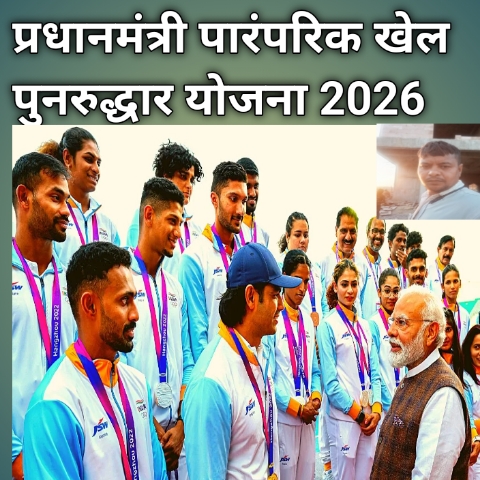
भारत सरकार द्वारा देश की समृद्ध खेल परंपरा को संरक्षित एवं पुनर्जीवित करने के उद्देश्य से प्रधानमंत्री पारंपरिक खेल पुनरुद्धार योजना की शुरुआत की गई है। यह योजना भारत के उन पारंपरिक एवं लोक खेलों को बढ़ावा देने हेतु बनाई गई है, जो समय के साथ आधुनिक खेलों और डिजिटल मनोरंजन के कारण हाशिए पर चले गए थे।
यह योजना न केवल शारीरिक एवं मानसिक स्वास्थ्य को सुदृढ़ करने की दिशा में एक महत्वपूर्ण कदम है, बल्कि फिट इंडिया, खेलो इंडिया, वोकल फॉर लोकल और आत्मनिर्भर भारत जैसे राष्ट्रीय अभियानों को भी सशक्त बनाती है।
योजना का उद्देश्य
प्रधानमंत्री पारंपरिक खेल पुनरुद्धार योजना के प्रमुख उद्देश्य निम्नलिखित हैं:
भारत के पारंपरिक एवं स्वदेशी खेलों को पुनर्जीवित करना
बच्चों एवं युवाओं को स्वस्थ जीवनशैली अपनाने के लिए प्रेरित करना
ग्रामीण एवं शहरी क्षेत्रों में खेल संस्कृति को मजबूत करना
डिजिटल लत (मोबाइल, वीडियो गेम) से युवाओं को दूर करना
पारंपरिक खेलों के माध्यम से रोजगार एवं स्वरोजगार के अवसर उत्पन्न करना
देश की सांस्कृतिक विरासत को संरक्षित करना
योजना की आवश्यकता
वर्तमान समय में अधिकांश बच्चे एवं युवा मोबाइल, इंटरनेट और ऑनलाइन गेम्स पर अत्यधिक निर्भर हो गए हैं, जिससे:- शारीरिक निष्क्रियता बढ़ रही है
- मोटापा, तनाव एवं मानसिक समस्याएँ उत्पन्न हो रही हैं
- सामाजिक सहभागिता में कमी आ रही है
- भारत के पारंपरिक खेल जैसे कबड्डी, खो-खो, गिट्टे, कंचे, लंगड़ी, रस्साकशी आदि कम संसाधनों में खेले जाने वाले, स्वास्थ्यवर्धक और सामुदायिक भावना विकसित करने वाले खेल हैं। इन्हें पुनः मुख्यधारा में लाने के लिए यह योजना अत्यंत आवश्यक है।
योजना के अंतर्गत शामिल प्रमुख पारंपरिक खेल
इस योजना के अंतर्गत विभिन्न राज्यों एवं क्षेत्रों के पारंपरिक खेलों को सम्मिलित किया गया है, जिनमें प्रमुख हैं:
- कबड्डी
- खो-खो
- मल्लखंब
- गिट्टे
- कंचे
- लंगड़ी
- रस्साकशी
- सितोलिया
- पारंपरिक कुश्ती
राज्य सरकारों को यह स्वतंत्रता दी गई है कि वे अपने क्षेत्रीय लोक खेलों को भी इस योजना में शामिल कर सकें।
योजना की मुख्य विशेषताएँ
- शैक्षणिक संस्थानों में कार्यान्वयन
सरकारी एवं निजी विद्यालयों तथा महाविद्यालयों में पारंपरिक खेलों को खेल गतिविधियों के रूप में प्रोत्साहित किया जाएगा। - ग्रामीण खेल अवसंरचना का विकास
ग्रामीण क्षेत्रों में खेल मैदानों का निर्माण, खेल सामग्री की उपलब्धता तथा प्रशिक्षकों की नियुक्ति की जाएगी। - प्रतियोगिताओं का आयोजन
ब्लॉक, जिला, राज्य एवं राष्ट्रीय स्तर पर पारंपरिक खेल प्रतियोगिताओं का नियमित आयोजन किया जाएगा। - प्रशिक्षक एवं कोच प्रशिक्षण
स्थानीय खिलाड़ियों को प्रशिक्षक एवं कोच के रूप में प्रशिक्षित कर रोजगार के अवसर प्रदान किए जाएंगे। - डिजिटल एवं मीडिया प्रचार
पारंपरिक खेलों के प्रचार-प्रसार हेतु डिजिटल प्लेटफॉर्म, सोशल मीडिया और जनसंचार माध्यमों का उपयोग किया जाएगा।
लाभार्थी
इस योजना से निम्नलिखित वर्ग लाभान्वित होंगे:- स्कूली छात्र एवं युवा
- ग्रामीण खिलाड़ी
- खेल प्रशिक्षक एवं कोच
- स्थानीय कारीगर एवं खेल सामग्री निर्माता
- खेल आयोजक एवं स्वयंसेवी संस्थाएँ
- स्वास्थ्य एवं सामाजिक लाभ
प्रधानमंत्री पारंपरिक खेल पुनरुद्धार योजना से प्राप्त प्रमुख लाभ:
शारीरिक स्वास्थ्य में सुधार
मानसिक तनाव एवं अवसाद में कमी
सामाजिक समरसता एवं टीम भावना का विकास
बच्चों एवं युवाओं में अनुशासन एवं आत्मविश्वास की वृद्धि
आत्मनिर्भर भारत में योगदान
यह योजना स्थानीय संसाधनों एवं कौशल को बढ़ावा देती है, जिससे:
स्वदेशी खेल सामग्री का उत्पादन बढ़ेगा
स्थानीय रोजगार के अवसर सृजित होंगे
ग्रामीण अर्थव्यवस्था को मजबूती मिलेगी
कार्यान्वयन प्रणाली
इस योजना का क्रियान्वयन केंद्र सरकार द्वारा राज्य सरकारों, खेल संगठनों, शैक्षणिक संस्थानों एवं स्थानीय निकायों के सहयोग से किया जाएगा। योजना की निगरानी एवं मूल्यांकन हेतु एक निर्धारित तंत्र विकसित किया जाएगा, जिससे पारदर्शिता एवं प्रभावशीलता सुनिश्चित हो सके।
निष्कर्ष
प्रधानमंत्री पारंपरिक खेल पुनरुद्धार योजना भारत की खेल परंपरा को संरक्षित करने और भावी पीढ़ियों को स्वस्थ एवं सक्रिय जीवनशैली की ओर प्रेरित करने की दिशा में एक महत्वपूर्ण पहल है। यह योजना न केवल खेलों को बढ़ावा देती है, बल्कि भारत की सांस्कृतिक पहचान, सामाजिक एकता और आर्थिक आत्मनिर्भरता को भी सशक्त बनाती है
Prime Minister’s Traditional Games Revival Scheme
Preserving India’s Heritage, Promoting Fitness, and Empowering Youth
Introduction
India has a rich heritage of traditional games that have been played for centuries across villages, towns, and regions. Games such as Kabaddi, Kho-Kho, Gitte, Langdi, Mallakhamb, Archery (traditional), Wrestling (Kushti), and indigenous board games were not only sources of entertainment but also powerful tools for physical fitness, mental discipline, and social unity.
In the modern era, due to urbanization, digital lifestyles, and declining community spaces, many of these traditional games have gradually faded from daily life. Recognizing the cultural, physical, and social value of indigenous sports, the Government of India has introduced the Prime Minister’s Traditional Games Revival Scheme. This initiative aims to revive, promote, and institutionalize traditional Indian games across the country.
Vision of the Scheme
The core vision of the Prime Minister’s Traditional Games Revival Scheme is to:
Preserve India’s traditional sports heritage
Promote physical fitness and mental well-being
Encourage grassroots sports culture
Identify and nurture rural and tribal talent
Create sustainable livelihoods through sports
The scheme aligns with the national objectives of “Fit India Movement,” “Khelo India,” “Ek Bharat Shreshtha Bharat,” and Atmanirbhar Bharat.
Objectives of the Traditional Games Revival Scheme
The scheme has been designed with the following key objectives:
Revival of Indigenous Games
To bring back traditional games into mainstream sports culture through structured programs, competitions, and training.
Promotion of Fitness and Healthy Lifestyle
Traditional games involve natural body movements, endurance, flexibility, and teamwork, contributing to holistic health.
Youth and Grassroots Engagement
To engage children and youth at school, village, block, and district levels and encourage them to adopt sports as a way of life.
Cultural Preservation
To safeguard India’s intangible cultural heritage and pass it on to future generations.
Employment and Skill Development
To create opportunities for coaches, trainers, referees, equipment makers, and event organizers.
Key Components of the Scheme
- Identification of Traditional Games
A comprehensive list of traditional and regional games is prepared in consultation with state governments, sports experts, and cultural bodies. Each state is encouraged to promote its unique indigenous sports. - Infrastructure Development
Development of traditional sports grounds
Upgradation of village playgrounds
Multi-purpose rural sports complexes
Provision of basic sports equipment
- Training and Capacity Building
Certification programs for traditional sports coaches
Training workshops for referees and officials
Inclusion of traditional games in physical education curricula
- Competitions and Events
Village-level and block-level tournaments
District, state, and national championships
Annual Traditional Games Festivals
Integration with school and college sports events
- School and Educational Integration
Introduction of traditional games in schools
Physical education teacher training
Inter-school traditional sports competitions
Target Beneficiaries
The scheme benefits a wide range of stakeholders, including:
School and college students
Rural and tribal youth
Local sports clubs and associations
Coaches, trainers, and physical education teachers
Artisans involved in traditional sports equipment making
Special focus is given to women participation, tribal communities, and economically weaker sections.
Role of State Governments and Local Bodies
State governments play a crucial role in the implementation of the scheme by:
Identifying region-specific traditional games
Allocating land and infrastructure
Conducting local-level tournaments
Mobilizing community participation
Panchayati Raj Institutions, Urban Local Bodies, and NGOs act as grassroots partners to ensure effective outreach and participation.
Cultural and Social Impact
The revival of traditional games strengthens community bonding, encourages inter-generational interaction, and revives local traditions. These games promote values such as discipline, teamwork, respect, and fair play, which are essential for nation-building.
Economic Opportunities and Livelihood Generation
The scheme opens new avenues for employment, such as:
Traditional sports coaching and officiating
Manufacturing of indigenous sports equipment
Event management and sports tourism
Cultural festivals and exhibitions
This contributes to local economies and supports self-reliance at the grassroots level.
Alignment with National Development Goals
The Prime Minister’s Traditional Games Revival Scheme contributes to:
Fit India – promoting physical activity
Digital India – documentation and digital promotion of games
Skill India – training and certification
Vocal for Local – promoting indigenous sports and equipment
Conclusion
The Prime Minister’s Traditional Games Revival Scheme is a visionary initiative that blends culture, health, and development. By reviving indigenous sports, the scheme not only preserves India’s rich heritage but also builds a healthier, more inclusive, and culturally rooted society.
Through community participation, institutional support, and sustained policy focus, traditional games are once again finding their rightful place in India’s sporting ecosystem. This initiative stands as a strong step toward empowering youth, strengthening national identity, and creating a fit and vibrant India