
Why Do I Feel Sleepy After Eating? 7 Possible Reasons
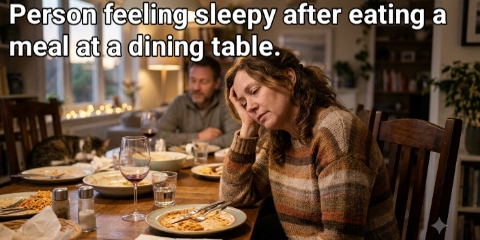
Have you ever finished a delicious lunch or dinner, sat down to relax, and suddenly felt like taking a nap? You aren’t alone. Many people experience sleepiness after eating, especially after a large meal. You might feel tired, find it difficult to concentrate, or notice that your energy levels drop just when you need to get back to work.
Feeling sleepy after eating is sometimes called postprandial somnolence. It is a common experience and does not necessarily mean that something is wrong with your health.
But, if you regularly feel extremely tired after meals, struggle to stay awake, or experience other unusual symptoms, it may be worth looking more closely at your eating habits, sleep quality, and overall health.
So, why do you feel sleepy after eating? There are several possible explanations, ranging from the size of your meal to your natural body clock.
In this article, we will explore seven possible reasons for feeling sleepy after eating, practical ways to manage it, and signs that mean you should consider speaking with a healthcare professional.
Why Do You Feel Sleepy After Eating?
Feeling sleepy after eating can happen for several reasons. Your body’s natural sleep-wake rhythm, the size and composition of your meal, your sleep quality, and certain health conditions may all play a role.
Some people notice sleepiness mainly after lunch, while others experience it after breakfast or dinner. The pattern can vary depending on individual habits, meal timing, and overall health.
Let’s look at seven possible reasons.
- Eating a Large Meal
One of the most common reasons for feeling sleepy after eating is having a large meal.
When you eat more food than your body comfortably needs at one sitting, you may feel physically heavy, sluggish, or less alert. Large meals can also make digestive discomfort more noticeable, particularly if you eat quickly.
For example, imagine having a large lunch containing rice, bread, potatoes, meat, and dessert. After finishing, you might feel less energetic than you did before eating.
This does not mean your body has stopped sending blood to your brain to digest food. Digestion involves coordinated changes throughout the body, but the sensation of sleepiness is more complex than a simple redistribution of blood.
What can help?
Try these practical changes:
- Eat portions that leave you comfortably satisfied rather than uncomfortably full.
- Eat slowly and give yourself time to recognise when you are satisfied.
- Avoid regularly skipping meals and then eating an unusually large meal.
- Pay attention to whether smaller, balanced meals help you feel more alert.
You don’t need to avoid your favourite foods. The goal is to find a comfortable eating pattern that supports your energy throughout the day.
- Eating Meals High in Refined Carbohydrates
The type of food you eat may influence how you feel after a meal.
Foods containing refined carbohydrates include white bread, pastries, sugary cereals, biscuits, sweets, and many desserts. These foods can be digested relatively quickly, although the effect on blood glucose depends on the food, portion size, and what else you eat with it.
Carbohydrates aren’t unhealthy by themselves. Your body uses them as an important source of energy. Whole grains, fruit, vegetables, beans, and lentils can all be part of a balanced diet.
But, a meal dominated by refined carbohydrates and added sugars may not provide the same nutritional balance as a meal containing fibre, protein, and healthy fats.
For instance, eating several pastries for breakfast may leave you feeling different from eating oats with fruit and nuts or whole-grain toast with eggs.
What can help?
Consider combining different food groups in your meals.
Some examples include:
- Oatmeal with fruit and nuts.
- Whole-grain toast with eggs.
- Brown rice with vegetables and beans.
- Lentils with whole-grain roti and vegetables.
- Plain yoghurt with fruit, if you tolerate dairy products.
These combinations provide different nutrients and may help you maintain a more satisfying and balanced eating pattern.
Remember that feeling sleepy after eating does not automatically mean your blood sugar has risen or fallen abnormally.
- Your Natural Body Clock
Your internal body clock, also known as your circadian rhythm, influences when you naturally feel awake and when you feel sleepy.
Many people experience a natural dip in alertness during the early afternoon. This can happen even when they have eaten a balanced lunch.
For example, you might eat lunch at 1 PM and begin feeling tired around 2 or 3 PM. It is easy to assume that lunch is entirely responsible, but your body’s natural daily rhythm may also be contributing.
This is one reason why afternoon sleepiness is common among office workers, students, drivers, and people who spend long periods sitting at a desk.
Your sleep schedule, exposure to daylight, activity levels, and individual biology can influence how strong this feeling becomes.
What can help?
You can support your natural sleep-wake rhythm by:
- Keeping a reasonably consistent sleep schedule.
- Getting daylight exposure during the day.
- Taking short movement breaks when you have been sitting for a long time.
- Scheduling demanding tasks for the times when you usually feel most alert.
- Avoiding unnecessarily heavy lunches if they make you uncomfortable.
If you feel sleepy every afternoon, consider whether the pattern occurs even on days when you eat a smaller lunch. This may help you identify whether your body clock is playing a role.
- Not Getting Enough Quality Sleep
Sometimes, the real reason you feel sleepy after eating has less to do with food and more to do with the amount or quality of sleep you get at night.
If you regularly stay up late, wake up frequently, or have an inconsistent sleep schedule, you may accumulate sleep debt. This can make it difficult to stay alert throughout the day.
After eating, you might relax in a comfortable chair or return to a quiet workplace. That change in activity can make existing tiredness more noticeable.
You may experience symptoms such as:
- Difficulty concentrating.
- Frequent yawning.
- Low energy during the afternoon.
- Trouble staying focused on routine tasks.
- Feeling unrefreshed after waking up.
Adults generally need at least seven hours of sleep each night, although individual needs vary. Teenagers generally need more.
Sleep quality matters, too. Someone who spends enough time in bed may still feel tired if their sleep is repeatedly interrupted.
What can help?
Try to establish a regular sleep routine.
Go to bed and wake up at consistent times whenever possible. Create a comfortable sleeping environment, reduce distractions before bedtime, and avoid consuming caffeine late in the day if it affects your sleep.
If you regularly snore loudly, wake up gasping, or remain excessively sleepy despite getting sufficient sleep, speak with a healthcare professional. Conditions such as sleep apnoea can interfere with restorative sleep.
- Not Getting a Balanced Mix of Nutrients
Your body needs a variety of nutrients to support normal energy production and other essential functions.
If your meals are consistently low in overall nutritional quality, or if you aren’t eating enough to meet your needs, you may experience tiredness during the day.
For example, a meal consisting mainly of sugary drinks and snacks may leave you feeling less satisfied than a balanced meal containing protein, fibre, carbohydrates, and fats.
But, sleepiness after one meal isn’t enough to establish that you have a nutritional deficiency.
Certain deficiencies, including iron deficiency, can cause fatigue. Other medical conditions can also produce similar symptoms.
Possible signs that deserve attention include persistent tiredness, weakness, difficulty concentrating, or reduced ability to manage your usual daily activities.
What can help?
Focus on variety rather than relying on a single food or supplement.
A balanced eating pattern can include:
- Vegetables and fruit.
- Whole grains.
- Beans, lentils, and other pulses.
- Eggs, fish, poultry, tofu, or other protein sources.
- Nuts and seeds.
- Dairy products or suitable alternatives.
If you are frequently tired throughout the day, consult a healthcare professional before taking iron supplements or other high-dose nutritional products. They can help determine whether testing or treatment is appropriate.
- Changes in Blood Sugar Levels
Blood glucose, commonly called blood sugar, naturally changes after eating. Your body uses hormones, including insulin, to help regulate glucose levels.
For most people, these changes are part of normal digestion and metabolism. But, some people experience abnormal blood glucose levels or other metabolic problems that may contribute to fatigue.
For example, diabetes can cause tiredness, particularly when blood glucose levels aren’t well controlled. Some people also experience low blood glucose after meals, although this isn’t the usual explanation for sleepiness in everyone.
Symptoms that may accompany blood glucose problems include unusual thirst, frequent urination, blurred vision, shakiness, sweating, or dizziness.
These symptoms can have several causes, so they should not be used to diagnose a blood sugar problem on their own.
What can help?
Try to maintain a balanced eating pattern and pay attention to whether certain meals consistently make you feel unwell.
If sleepiness after eating is frequent or severe, particularly when accompanied by unusual thirst, frequent urination, shaking, sweating, or dizziness, speak with a healthcare professional.
They can determine whether blood glucose testing or other investigations are appropriate.
don’t assume that you have diabetes simply because you feel sleepy after lunch.
- Certain Health Conditions or Medications
Occasionally, persistent sleepiness after eating may be associated with an underlying health condition or the effects of medication.
Possible contributors to ongoing fatigue include:
- Diabetes or other blood glucose disorders.
- Iron-deficiency anaemia.
- Thyroid disorders.
- Sleep disorders, including sleep apnoea.
- Certain medications that cause drowsiness.
The timing of your symptoms can offer useful information, but it does not establish the cause.
For example, if you feel tired throughout the day rather than only after meals, the issue may not be related to digestion at all.
Some medicines used for allergies, pain, anxiety, or other conditions can also cause drowsiness. Never stop a prescribed medication without discussing it with your healthcare professional.
What can help?
Keep track of when your symptoms occur, how long they last, and whether anything else happens at the same time.
If you regularly experience excessive sleepiness despite eating balanced meals and getting sufficient sleep, arrange a medical appointment.
A healthcare professional can review your symptoms, medical history, and medications and decide whether further assessment is needed.
Is It Normal to Feel Sleepy After Eating?
Occasional mild sleepiness after a meal is common and isn’t necessarily a sign of a health problem.
You may notice it more after a large lunch, a late-night meal, or a day when you have not slept well.
But, the intensity and frequency of the symptoms matter.
Consider speaking with a healthcare professional if:
- You feel extremely sleepy after most meals.
- Your tiredness interferes with work, school, or everyday activities.
- You feel exhausted even after getting enough sleep.
- You experience unexplained weakness or persistent fatigue.
- You notice unusual thirst, frequent urination, or other concerning symptoms.
Seek urgent medical attention if sleepiness occurs with severe confusion, fainting, difficulty breathing, or other sudden and serious symptoms.
8 Practical Ways to Reduce Sleepiness After Eating
If you regularly feel a little tired after meals, several everyday habits may help you understand and manage the pattern.
- Choose Balanced Meals
Include a mixture of protein, fibre-rich carbohydrates, vegetables, and healthy fats.
A balanced meal can help you meet your nutritional needs and may be more satisfying than a meal dominated by highly refined foods.
- Avoid Eating Uncomfortably Large Portions
You don’t need to eat tiny meals or restrict your food unnecessarily.
Instead, pay attention to your hunger, comfort, and usual portion sizes. If very large meals consistently leave you feeling sluggish, try a more comfortable serving.
- Stay Hydrated
Drink water regularly throughout the day.
Dehydration can contribute to tiredness, although drinking extra water won’t necessarily resolve sleepiness caused by poor sleep or an underlying health condition.
Your fluid needs depend on factors such as your activity level, climate, and health.
- Take a Short Walk
A gentle walk after eating may help you feel more alert and can support general health.
Start with a comfortable pace rather than intense exercise immediately after a large meal.
Even a brief movement break can be useful if you usually sit for long periods after lunch.
- Maintain a Consistent Sleep Schedule
Try to go to bed and wake up at similar times each day.
Getting enough sleep is particularly important if you regularly feel sleepy during the afternoon.
- Pay Attention to Caffeine
Tea and coffee may temporarily increase alertness, but relying on caffeine to overcome persistent tiredness can hide the underlying problem.
Caffeine consumed later in the day can also interfere with sleep.
If you drink caffeinated beverages, consider the timing and amount rather than automatically increasing your intake.
- Keep a Simple Food and Energy Diary
For several days, record what you eat, when you eat, how well you sleep, and when you feel tired.
This may help you notice patterns involving particular meals, meal sizes, or sleep schedules.
A diary can’t diagnose a medical condition, but it can provide useful information to discuss with a healthcare professional.
- Avoid Driving When Sleepy
If you feel drowsy after eating, don’t drive or operate machinery until you are sufficiently alert.
Opening a window, turning up the music, or drinking coffee can’t reliably make it safe to drive while sleepy.
If you frequently struggle to stay awake during everyday activities, seek medical advice.
What Should You Eat to Feel More Energetic After Lunch?
There is no single food that guarantees you will stay awake after eating. But, a varied and balanced lunch can help you meet your nutritional needs without leaving you uncomfortably full.
Here are a few practical examples.
Option 1: A balanced vegetarian lunch
- Whole-grain roti.
- Dal or beans.
- Cooked vegetables.
- A serving of yoghurt, if suitable for you.
Option 2: A simple Western-style lunch
- Whole-grain bread.
- Eggs, chicken, tofu, or another protein source.
- Salad or vegetables.
- A piece of fruit.
Option 3: A quick lunch for busy days
- Oats or a whole-grain wrap.
- A protein source such as eggs, beans, or tofu.
- Fruit or vegetables.
- Water.
Option 4: A light but satisfying lunch
- Vegetable soup.
- Whole-grain bread.
- A protein-rich side, such as beans or eggs.
These are examples, not strict meal plans. Your nutritional needs may differ depending on your age, activity level, health, and dietary preferences.
You don’t need to eliminate carbohydrates to manage afternoon tiredness. The aim is to eat enough, include a variety of foods, and find meals that work well for you.
Why Do I Feel Sleepy After Eating Breakfast?
Sleepiness after breakfast can have several explanations.
You may not have slept well, you may still be tired from the previous day, or your breakfast may be very large. Your usual sleep-wake rhythm and other health factors can also influence how alert you feel.
If breakfast consistently makes you feel unusually sleepy, consider recording what you eat and how you slept the previous night.
Try a balanced breakfast containing a source of protein, fibre-rich carbohydrates, and fruit or vegetables.
If the problem persists despite adequate sleep and balanced meals, consider speaking with a healthcare professional.
Why Do I Feel Sleepy After Eating Lunch?
Lunch-time sleepiness is particularly common because it can coincide with a natural afternoon dip in alertness.
A large lunch, a long period of sitting, insufficient sleep, or a combination of these factors may make the feeling stronger.
If you work at a desk, try taking a short walk, getting some daylight, and breaking up long periods of sitting.
You may also find it useful to compare how you feel after different lunch sizes and meal combinations.
But, persistent or severe sleepiness should not automatically be attributed to lunch. Other causes may need to be considered.
Why Do I Feel Sleepy After Eating Dinner?
Feeling sleepy after dinner may reflect a combination of meal size, the time you eat, and your normal evening sleepiness.
If you eat a large dinner late at night, you may feel physically uncomfortable and ready for bed at the same time.
Try to maintain a meal schedule that suits your routine, avoid eating to the point of discomfort, and leave enough time to relax before sleeping.
If you experience regular heartburn or indigestion after dinner, a healthcare professional can advise you on suitable ways to manage those symptoms.
There is no universal rule that everyone must eat dinner at a particular hour. Your schedule, health, and individual needs matter.
Frequently Asked Questions
- Why do I feel sleepy immediately after eating?
Sleepiness after a meal may be related to your natural body clock, the size and composition of your meal, or insufficient sleep. If it happens regularly or is unusually severe, consider discussing it with a healthcare professional.
- Does feeling sleepy after eating mean I have diabetes?
No. Sleepiness after eating alone does not mean you have diabetes. Many people experience it for reasons unrelated to blood glucose disorders. If you also experience unusual thirst, frequent urination, blurred vision, or persistent fatigue, seek medical advice.
- Can eating rice make me sleepy?
Rice contains carbohydrates, which provide energy. The effect of a rice-based meal depends on the portion, type of rice, other foods eaten with it, and your individual response. You don’t need to avoid rice solely because you sometimes feel sleepy after meals.
- Is it normal to feel sleepy after every meal?
Occasional mild sleepiness can be common. But, feeling excessively sleepy after every meal deserves attention, especially if it interferes with daily life or occurs alongside other symptoms.
- Does drinking water help with post-meal sleepiness?
Drinking water can help if dehydration contributes to your tiredness. But, it won’t necessarily resolve sleepiness caused by poor sleep, medication effects, or an underlying medical condition.
- Should I take a nap after eating?
A short nap may help some people feel more refreshed, depending on their circumstances. But, frequent or prolonged daytime sleepiness may indicate insufficient nighttime sleep or another issue that needs attention.
If daytime naps interfere with your nighttime sleep, consider adjusting their timing and duration.
- When should I see a doctor about sleepiness after eating?
Seek medical advice if the sleepiness is persistent, severe, unexplained, or disruptive to your everyday activities. You should also seek advice if you experience other symptoms, such as unusual thirst, frequent urination, dizziness, or unexplained weakness.
Final Thoughts
Feeling sleepy after eating is a common experience, and there is rarely one explanation that applies to everyone.
A large meal, refined carbohydrates, your natural body clock, insufficient sleep, an unbalanced diet, blood glucose problems, and certain medical conditions or medications may all contribute.
Start by paying attention to your eating habits, sleep schedule, hydration, and activity levels. Small changes, such as eating comfortable portions, choosing balanced meals, and taking a short walk, may help you understand what works best for you.
Most importantly, don’t ignore persistent or excessive sleepiness simply because it happens after meals. If the problem continues or affects your daily activities, a healthcare professional can help identify the cause.
Your energy levels are influenced by more than food alone. Understanding your individual pattern is a useful first step towards making informed decisions about your health.
Medical disclaimer: This article is intended for general educational purposes only and does not replace professional medical advice, diagnosis, or treatment. Consult a qualified healthcare professional if you have persistent symptoms or concerns about your health.